 Skip to content
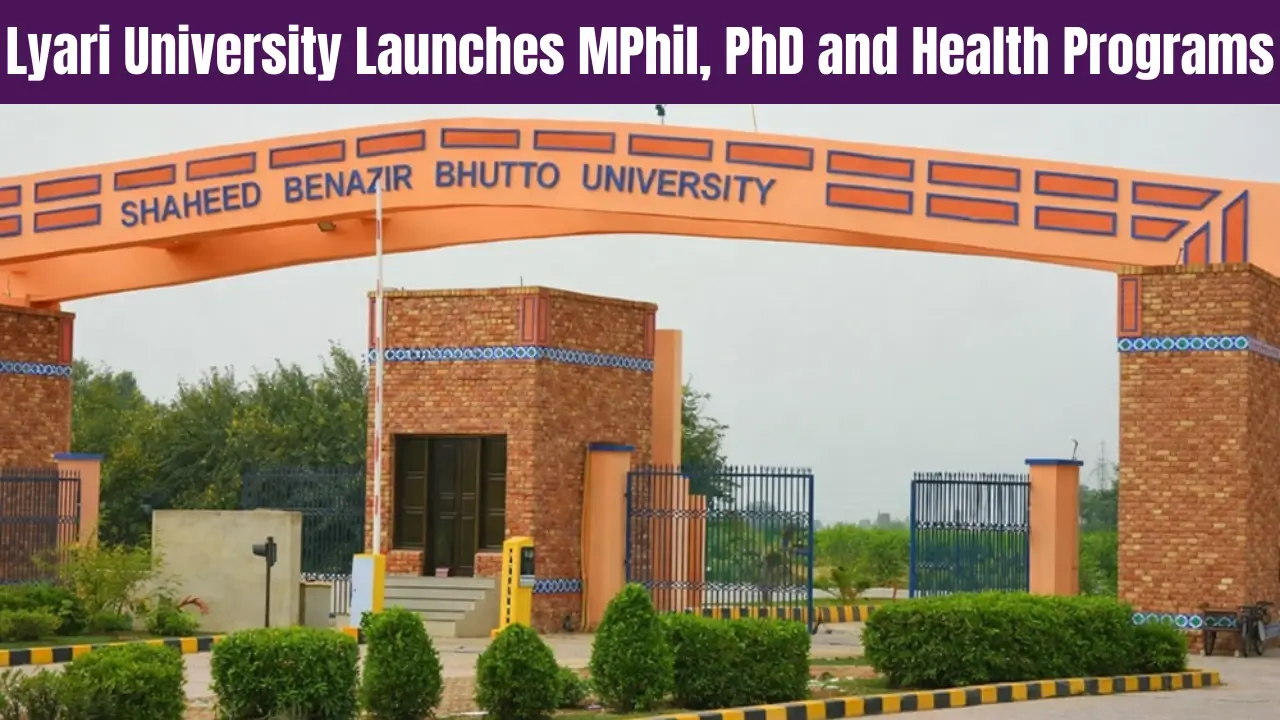
Benazir Bhutto Shaheed University Lyari is entering a transformative phase aimed at strengthening academic excellence, governance, and institutional stability. After years of limited expansion, the university is now taking practical steps to introduce advanced degree programs, improve administrative systems, and align itself with national higher education standards. These initiatives are designed to provide students with better learning opportunities, professional education pathways, and research-based programs that meet modern academic demands.

The university leadership has emphasized that these developments are part of a long-term vision focused on quality education, transparency, and sustainable institutional growth.
Expansion Of Academic Programs
One of the most significant developments is the planned launch of new MPhil and PhD programs across multiple disciplines. These programs aim to promote a strong research culture and allow students to pursue postgraduate education without leaving their region.
Newly planned programs include:
- MPhil in Information Technology
- PhD in Business Administration
- MPhil and PhD in English
- MPhil and PhD in Education
In addition, the university is preparing to introduce professional health education programs, including Nursing and Doctor of Physiotherapy (DPT). These programs will help address the growing demand for trained healthcare professionals and create career-focused academic pathways.
Admissions for these programs are expected to begin in the upcoming academic session once regulatory approvals are completed.
HEC Approval And Accreditation Process
The university is currently awaiting a No-Objection Certificate (NOC) from the Higher Education Commission, which is a mandatory step before launching new degree programs. Approval is anticipated soon, after which professional councils will conduct inspections of the relevant departments.
Accreditation is essential to ensure that:
- Academic standards meet national requirements
- Faculty qualifications align with regulatory benchmarks
- Facilities support research and professional training
- Degrees hold recognized value in the job market
This process reflects the university’s commitment to quality assurance and academic credibility.
Overview Of Key Developments
| Initiative | Details | Expected Impact |
|---|---|---|
| Postgraduate Expansion | Launch of MPhil & PhD programs in IT, Business, English, and Education | Strengthens research culture and academic depth |
| Professional Programs | Introduction of Nursing and DPT | Supports healthcare education and employability |
| Regulatory Approval | Awaiting HEC NOC and council inspections | Ensures recognized and accredited degrees |
| Senate Revival | First Senate meeting scheduled in 15 years | Restores statutory governance |
| Faculty Recruitment | Hiring professors, associate professors, and lecturers | Improves academic leadership |
| Industry Collaboration | 20+ MoUs signed with companies | Enhances internships, research, and development |
Senate Meeting After Fifteen Years
A historic step toward governance reform is the planned Senate meeting, which will take place for the first time in fifteen years. The Senate is expected to approve the university’s budget and review institutional policies.
Previously, budgets were reportedly utilized without formal Senate endorsement. The revival of this statutory body reflects a renewed focus on transparent decision-making, financial accountability, and participatory governance.
Institutional Reforms And Administrative Stability
University leadership has stated that ongoing reforms are already improving administrative efficiency. Efforts are being made to counter misinformation and build confidence among students, faculty, and stakeholders.
Key reform priorities include:
- Establishing clear governance structures
- Strengthening policy implementation
- Ensuring transparency in academic planning
- Promoting institutional stability through structured oversight
The formation of a functional Syndicate is another step toward reinforcing management systems and ensuring long-term organizational continuity.
Faculty Strengthening And Industry Linkages
To support new academic programs, the university has appointed qualified professors, associate professors, and lecturers. Several departments that previously lacked permanent academic leadership are now being reorganized to ensure effective teaching and research supervision.
Additionally, more than 20 Memorandums of Understanding (MoUs) have been signed with reputable companies and organizations. These collaborations aim to:
- Provide students with practical exposure
- Encourage industry-driven research
- Create internship and employment opportunities
- Bridge the gap between academia and the professional world
Such partnerships are essential for developing career-ready graduates and innovation-focused education.
Conclusion
The recent initiatives mark a decisive move toward academic expansion, governance reform, and institutional transparency. By introducing postgraduate and professional programs, strengthening faculty, reviving statutory bodies, and building industry partnerships, the university is positioning itself as a stable and forward-looking institution.
These developments not only enhance educational access for students but also contribute to regional academic growth and workforce development. As approvals are finalized and programs begin, the university is expected to enter a new era defined by quality education, research advancement, and institutional resilience.